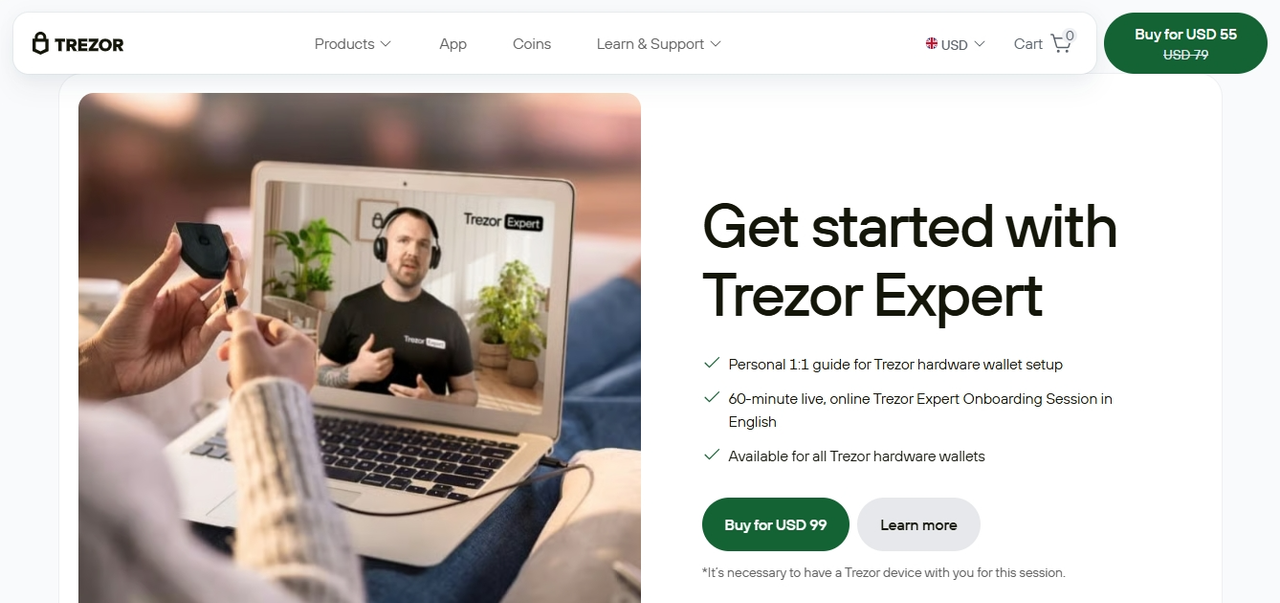
Trezor.io/start: Your Complete Guide to Setting Up a Trezor Wallet
Trezor has become one of the most trusted names in cryptocurrency hardware wallets. If you’re new to crypto or looking to secure your digital assets, starting with a Trezor wallet is a smart choice. The Trezor.io/start page is the official starting point for setting up your device safely and securely. This guide will walk you through everything you need to know—from unboxing your Trezor to accessing your wallet and managing your cryptocurrencies.
What is Trezor?
Trezor is a hardware wallet designed to protect your cryptocurrencies from online threats. Unlike software wallets, which store your private keys on your computer or mobile device, Trezor keeps them offline. This significantly reduces the risk of hacks, malware, and phishing attacks. Trezor wallets support multiple cryptocurrencies, including Bitcoin, Ethereum, Litecoin, and many more, making them a versatile solution for digital asset management.
Why Use Trezor.io/start?
The Trezor.io/start page is the official entry point for new users. It ensures you access the correct setup instructions, firmware updates, and wallet interface. Visiting this page helps you avoid phishing websites that could steal your credentials or recovery seed. By following the steps on Trezor.io/start, you can set up your device safely and start managing your crypto securely.
Step 1: Unboxing Your Trezor Device
Before you start, ensure you have purchased your Trezor device from an official reseller or the Trezor website. Counterfeit devices can compromise your funds. When unboxing:
Check for tamper-evident seals.
Ensure the device looks and feels authentic.
Keep the packaging and recovery card in a safe place.
Step 2: Connect Your Trezor
Visit https://trezor.io/start from your computer’s browser.
Connect your Trezor device via USB. Most devices support standard USB-A or USB-C cables depending on the model.
Follow the on-screen instructions to ensure your device is recognized.
Your device will prompt you to install Trezor Bridge or use Trezor Suite, which allows communication between your computer and the hardware wallet.
Step 3: Install Firmware
A brand-new Trezor device usually requires a firmware update to ensure security and functionality. Follow these steps:
Confirm the device on-screen matches the instructions on your computer.
Click “Install Firmware” if prompted.
Wait until the update completes; your device will reboot automatically.
Never skip firmware updates, as they include essential security improvements.
Step 4: Create a PIN
A PIN protects your Trezor wallet in case it’s lost or stolen. The device displays a randomized number grid, and you enter your PIN using the corresponding layout on your computer. This method ensures that the PIN is never typed directly, preventing malware from intercepting it.
Choose a strong, unique PIN.
Avoid simple sequences like
1234or easily guessable numbers.
Step 5: Write Down Your Recovery Seed
During setup, your Trezor will generate a 24-word recovery seed. This is the most important step in securing your wallet. The recovery seed allows you to restore your wallet if your device is lost, stolen, or damaged.
Important tips:
Write the words on the provided recovery card.
Store it in a safe, offline location.
Never store your recovery seed digitally or online.
Never share it with anyone.
Step 6: Access Your Wallet
Once your PIN and recovery seed are set up, you can access your wallet using Trezor Suite or Trezor Wallet online interface. From here, you can:
Send and receive cryptocurrencies.
Monitor your portfolio.
Connect to supported exchange platforms for swapping assets.
Manage multiple wallets and cryptocurrencies.
Security Best Practices
Even with a hardware wallet, security depends on your habits. Follow these best practices:
Always access Trezor.io/start directly, never through email links.
Keep your device and recovery seed offline and secure.
Use a strong PIN and never share it.
Regularly update firmware to patch vulnerabilities.
Avoid logging in on public or shared computers.
Troubleshooting Common Setup Issues
Some users may encounter minor problems:
Device not recognized: Try a different USB port or cable, or restart your computer.
Firmware installation issues: Ensure your internet connection is stable and follow the on-screen prompts carefully.
PIN or recovery seed mistakes: If you make an error, you can reset your device and start again using your recovery seed.
Beyond Setup: Exploring Trezor Features
After completing setup at Trezor.io/start, you can explore several advanced features:
Password Management: Use Trezor Password Manager for secure credentials.
Two-Factor Authentication (2FA): Enhance security for online accounts.
Exchange Integration: Swap cryptocurrencies directly through the wallet interface.
Portfolio Management: Track the value of multiple assets in one place.
Conclusion
Trezor.io/start is your official gateway to a secure cryptocurrency experience. By following the steps carefully—connecting your device, installing firmware, setting a PIN, and safeguarding your recovery seed—you ensure that your digital assets are protected. Hardware wallets like Trezor provide unmatched security, but the responsibility for safe usage lies with the user. Starting at Trezor.io/start is the first step toward a safer, smarter, and more confident approach to managing your cryptocurrency.